








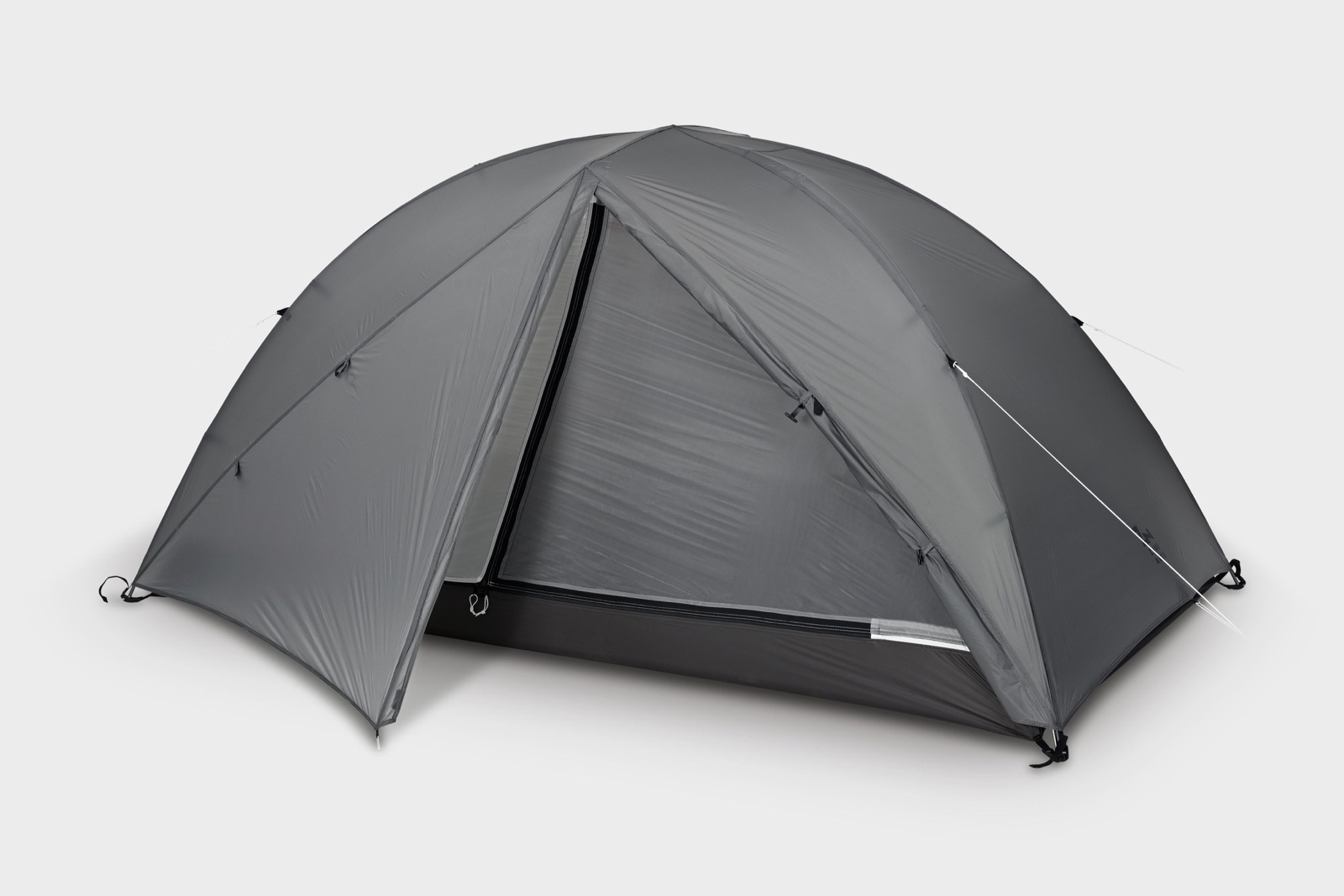
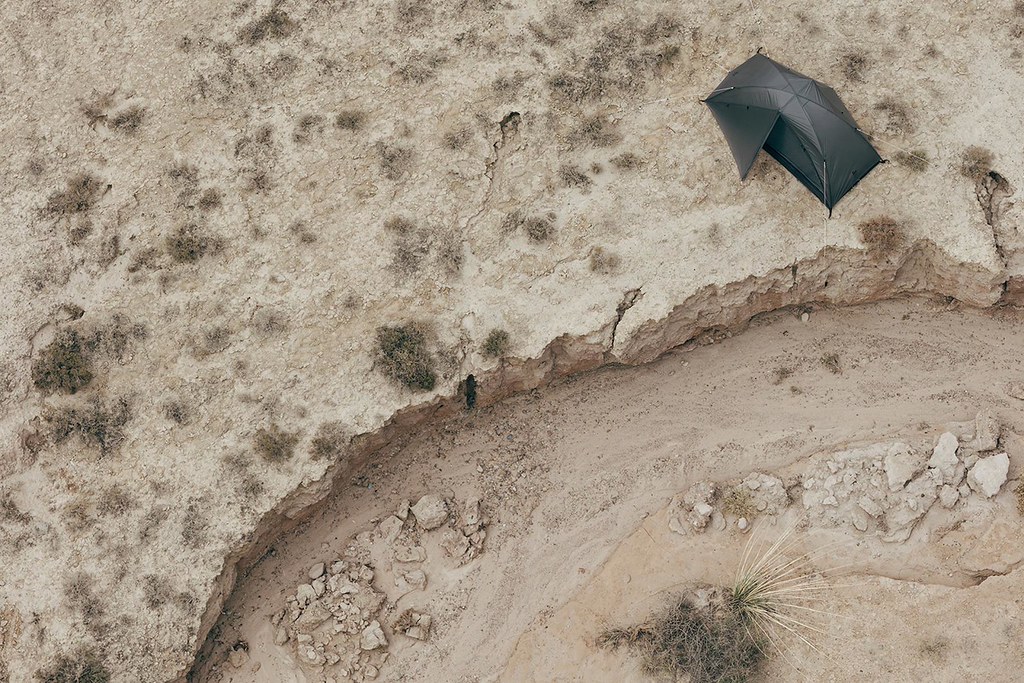
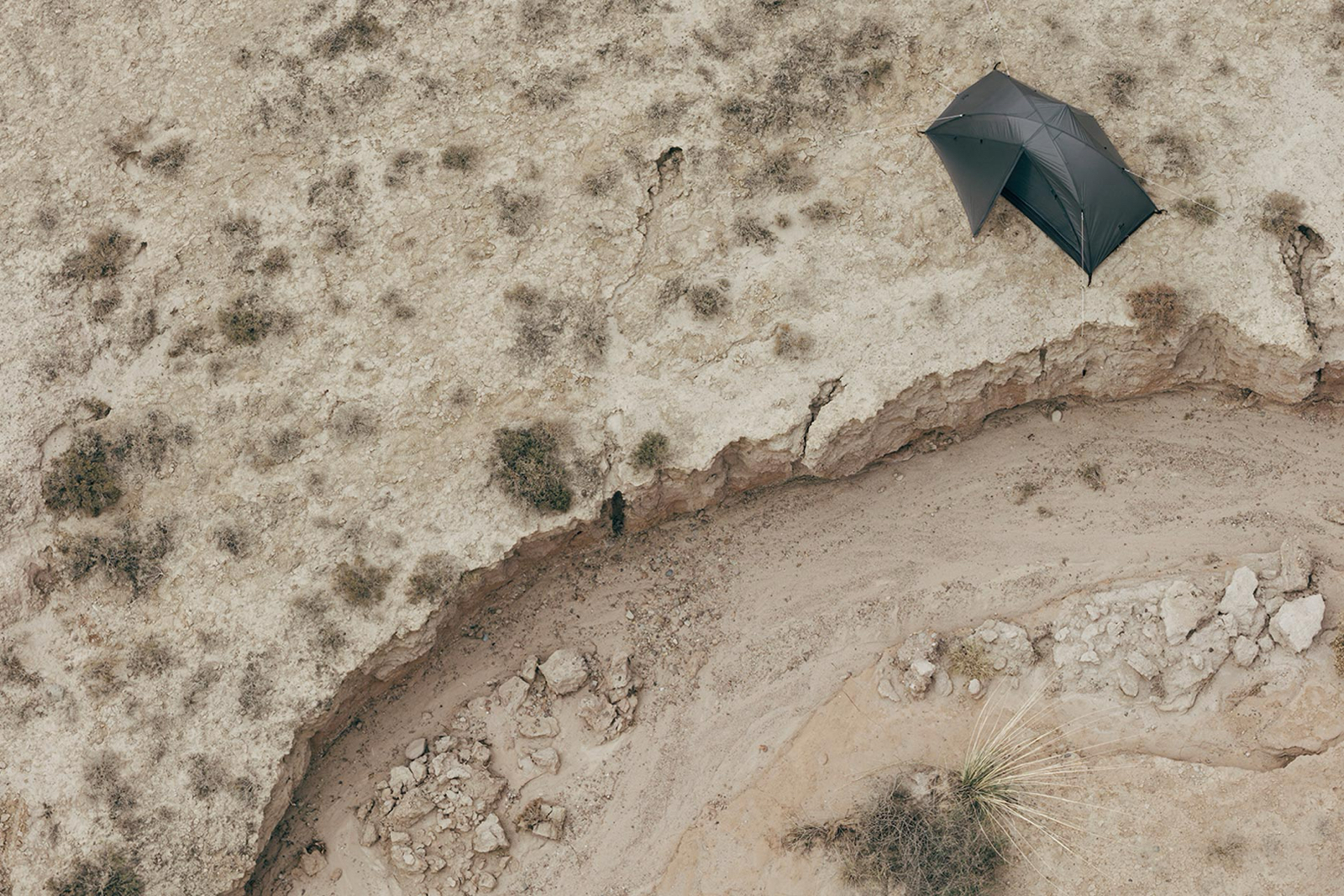
Zane Arts (ZANE ARTS) has introduced two backpacking tents, the TAO-1 and TAO-2. The brand’s YAR series keeps pack weight and bulk down. The TAO gives you more room to sit up, change clothes or organize gear in the vestibule. The difference is in the floor dimensions and in how the poles support the roof and vestibule.
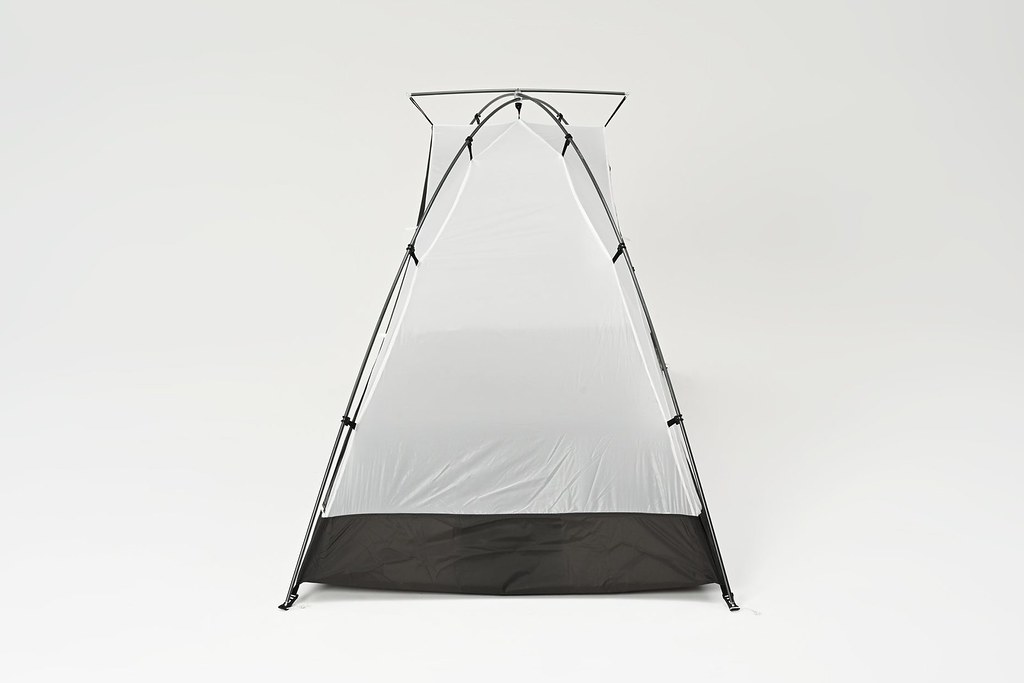
A short ridge pole sits on top of the TAO’s two crossing poles. It supports the roof on either side so the walls don’t taper sharply into a single peak. Floor dimensions alone don’t tell you how much room you’ll have above them: steeply tapering walls can brush your shoulders or head when you sit near the edge. The TAO is designed to give you more room up high.
The vestibule is 15 cm deeper, from 45 cm on the YAR to 60 cm on the TAO. The ridge pole also pushes its upper section out, so the extra space isn’t only at ground level. There’s more usable room for boots and a pack without getting in the way of the entrance. Both inner door panels can be rolled up, and a large vent sits high on the opposite side.


Photos courtesy of: ZANE ARTS
| One-person | TAO-1 | YAR-1 |
|---|---|---|
| Minimum weight | 1,170g | 860g |
| Inner floor | 230 × 100cm | 210 × 90cm |
| Interior height | 100cm | 95cm |
| Vestibule depth | 60cm | 45cm |
| Packed size | Ø15 × 42cm | Ø13.5 × 37cm |
| Price in Japan | ¥49,800 | ¥39,800 |
| Two-person | TAO-2 | YAR-2 |
|---|---|---|
| Minimum weight | 1,305g | 950g |
| Inner floor | 230 × 130cm | 210 × 120cm |
| Interior height | 105cm | 100cm |
| Vestibule depth | 60cm | 45cm |
| Packed size | Ø17 × 44cm | Ø15.5 × 40cm |
| Price in Japan | ¥52,800 | ¥41,800 |
Specifications from Zane Arts. Minimum weights include only the fly, inner and poles. Japanese prices include tax.
Both TAO models are double-wall tents with a separate fly and inner. The fly uses 15D ripstop nylon and the floor uses 20D ripstop nylon. Zane Arts rates both fabrics at 1,500 mm hydrostatic head. A footprint is included but does not count toward the minimum weights in the tables.
At the same capacity, the TAO’s inner floor is 20 cm longer and 10 cm wider than the YAR’s, and the interior is 5 cm taller. In the one-person model, that leaves more room for gear alongside your sleeping pad. In the two-person model, there’s more room for both people to sit and move around.
The TAO-1 is 310 g heavier than the YAR-1 at minimum weight; the difference between the TAO-2 and YAR-2 is 355 g. If you cover long distances every day and mainly use your tent for sleep, the YAR makes sense. If you stay longer at camp or regularly sort gear in and around your shelter, you’ll make more use of the TAO’s extra room.
 |
Better Weekend
베러위켄드 |
Backpacking Tent
니모 쿠나이 텐트 : Nemo Kunai 2P Tent
그동안 니모 라인업에는 베스티블을 제외하고 사용하는 텐시외에는 무게를 만족할 만한 동계 백패킹 텐트가 없었습니다. 2014년 하반기 새롭게 출시된 니모 쿠나이 텐트는 최소 무게 1.8kg(최대 2.2kg)의 2인용 …
Backpacking Tent
2014 Tent & Shelter : 마운틴하드웨어 옵틱 2.5 텐트 (Mountain hardwear optic 2.5 tent)
BETTER WEEKEND에서 2014년 새로운 텐트트들 소개 합니다. 그 첫번째로 마운틴하드웨어의 옵틱 2.5 텐트(Mountain Hardwear Optic 2.5 Tent)입니다. 2인용 3계절텐트인 옵틱 2,…
Backpacking Tent
시에라디자인 지아2 : Sierra Designs Zia 2 w/ Footprint & Gear Loft
가격대비 구매하기 괜찮은 텐트를 소개해드립니다. 시에라디자인 공식홈페이지(http://www.sierradesigns.com) 웹스페셜 가격에 판매되고 있는 Zia 2p 입니다. 2인용 3계절 더블월 텐트로서 이너텐…
News
NEMO 2027 Preview: Space and Comfort Beyond Weight
Journal
야마토미치, Pertex® Quantum Air 원단의 통기성 기준 변경
Sweaters & Hoodies
Montbell CLIMAAIR Light: A Lightweight 102g Active Fleece
Recovery
CAYL × SUBU: Collaborative Winter Sandals for Post-Hike Downtime
Movie
Lines We Choose: Fanny Schmutz, a Guide Raised by the Mountains
Pump
Alpenglow Gear Alpenblow Classic Micro Inflator Review
Day Packs
Zpacks Bagger 30L: Bridging Travel and Hiking
Backpacking Packs
Osprey ThrULite Pro 55: A 792g Long-Distance Hiking Pack with an Adjustable Back System