





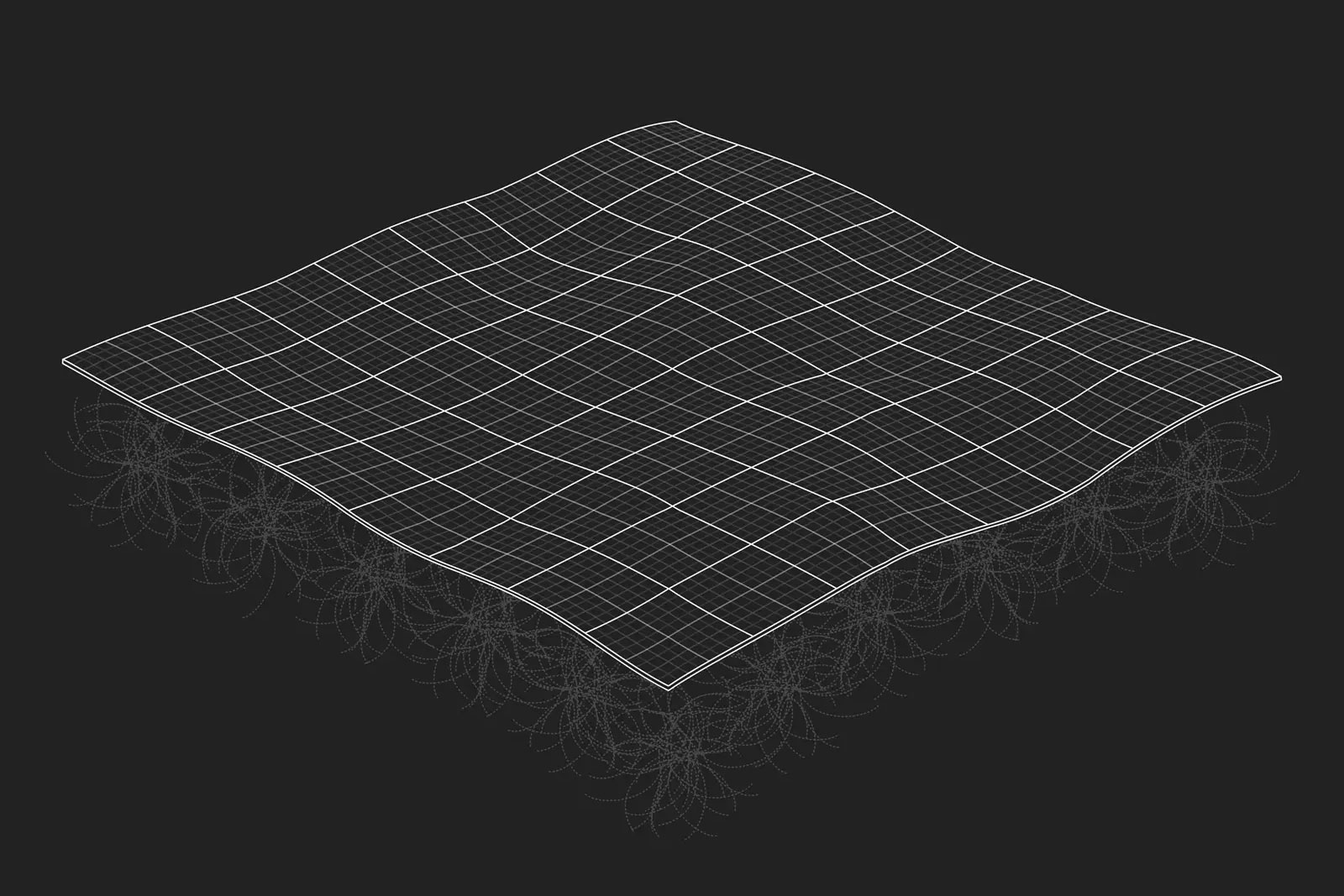
Yamatomichi (山と道) has revised the air-permeability standard for the Pertex Quantum Air fabric used in its active insulation products. The minimum requirement for the 2026 Light Alpha Vest/Jacket and Alpha Anorak has been lowered from 33 to 20 cc/cm²·s.
Looking at the numbers alone, this might seem like a reduction in performance. A closer look at the change, however, reveals why outdoor clothing is difficult to assess by a single metric.
Active insulation needs to release the heat and moisture generated by movement while retaining enough warmth to keep the body from cooling down. A highly air-permeable fabric helps release heat on climbs, but also lets outside air in more readily when the wind picks up or activity slows.
Conversely, a less air-permeable fabric can block more wind and retain more heat. During intense activity or in warmer temperatures, however, heat may build up inside more easily. Which works better depends on temperature, wind, activity level and individual sensitivity to cold.
After field-testing fabrics with lower air permeability, Yamatomichi reported that even around 20 cc/cm²·s provided the breathability and warmth needed during activity. This was the basis for accepting a lower figure as the new standard.
The story began with a material change intended to reduce environmental impact. From the Fall/Winter 2025 season, Yamatomichi switched the fabric’s water-repellent treatment from C6 to PFAS-free C0.
During production, however, differences in air permeability emerged between colors and batches. Choosing a treatment with a lower environmental impact did not automatically guarantee the same results as before. Introducing the new treatment also required checking how it affected actual products and reassessing the standard.
Yamatomichi did not lower the standard from the outset. It had adopted 33 cc/cm²·s based on the fabric used in the first Alpha Anorak in 2017, then conducted additional tests on fabrics with lower values. The minimum standard was revised based on those results.
The change also highlights why consumers should pay attention to information about potential differences in a product’s air permeability. Even within the same product, differences in fabric air permeability can change how much wind and warmth the wearer feels. Hikers who sweat heavily or move at high intensity may experience the same change differently from those who feel the cold easily.
The new standard does not mean the fabric performs the same as, or better than, the previous fabric in every situation. Yamatomichi’s assessment is based on its testing of the specific products under particular conditions. Fabric air permeability is only one factor in a garment’s overall performance. Fit, layering and features that regulate heat, such as zippers and hoods, also play a role.
Comparing equipment by a single number is convenient. In the mountains, however, the balance between breathability, wind resistance and warmth matters more. This change is a reminder that there is no single correct balance: it depends on where and how the garment will be used.
 |
강선희
|
News
NEMO 2027 Preview: Space and Comfort Beyond Weight
Sweaters & Hoodies
Montbell CLIMAAIR Light: A Lightweight 102g Active Fleece
Recovery
CAYL × SUBU: Collaborative Winter Sandals for Post-Hike Downtime
Movie
Lines We Choose: Fanny Schmutz, a Guide Raised by the Mountains
Pump
Alpenglow Gear Alpenblow Classic Micro Inflator Review
Day Packs
Zpacks Bagger 30L: Bridging Travel and Hiking
Backpacking Packs
Osprey ThrULite Pro 55: A 792g Long-Distance Hiking Pack with an Adjustable Back System
Event
Happy Days 2026: Long-Distance Hikers Share Their Stories on the Dongseo Trail