





NEMO’s 2027 collection addresses both lighter equipment and greater comfort at camp. Room to move inside a tent, the way a sleeping pad supports the body, and the care needed to keep equipment in use for longer: these changes focus on the practical issues hikers encounter after a day on the trail.
Based on the June 2026 announcement and the official 2027 workbook, we take an early look at the changes relevant to hiking and backpacking.

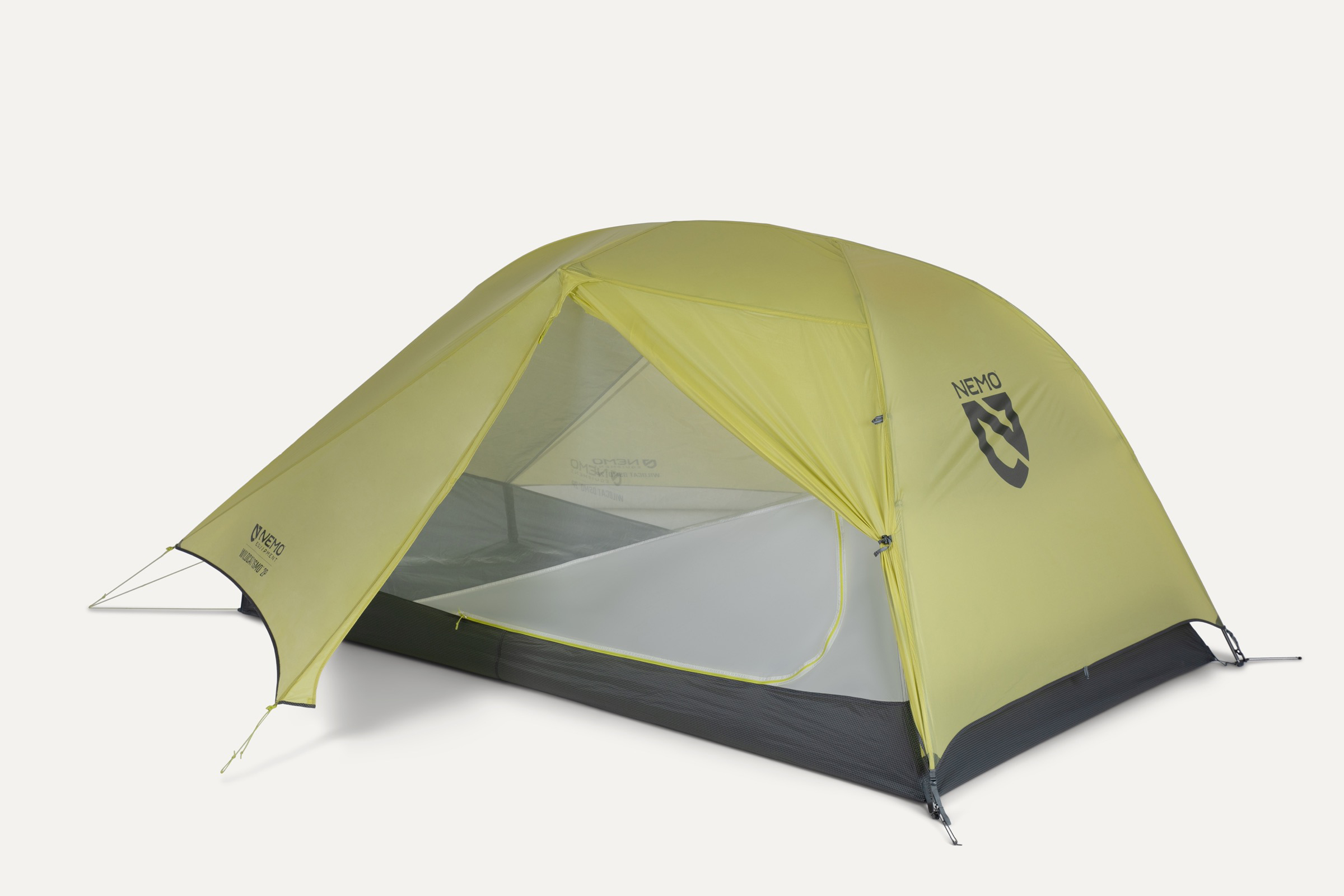
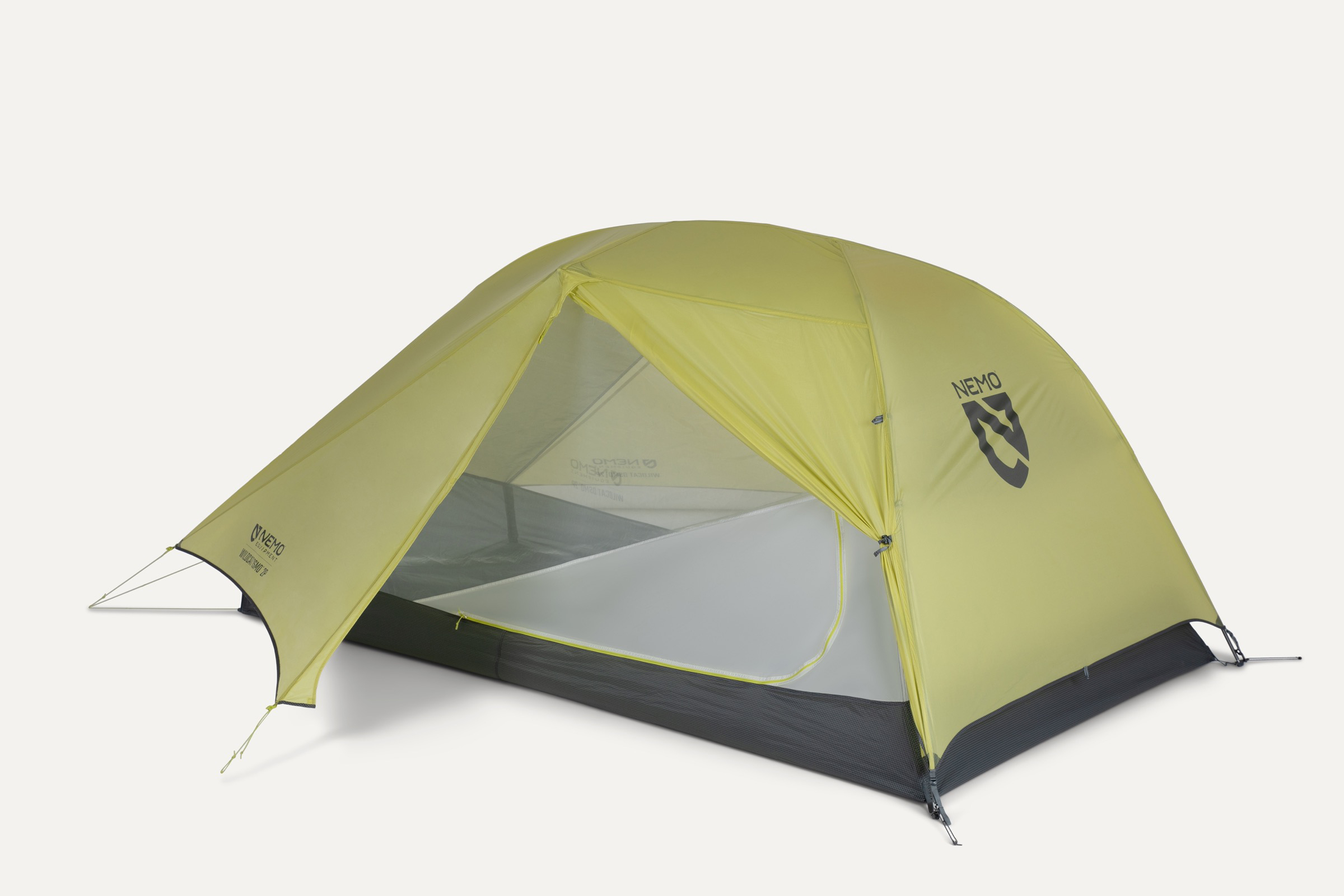
The new Wildcat OSMO is a semi-freestanding tent that builds on the lightweight design of the Hornet OSMO while offering more usable living space. Overhead crossbars and short supports at the foot end lift the tent walls, creating more room around the feet and sleeping bag.
NEMO says internal volume is 30% greater than in the Hornet OSMO. This is a different approach from simply increasing the floor area. The extra room can help reduce contact between a sleeping bag and the walls, or the cramped feeling overhead when sitting up to change clothes.
The 1-person and 2-person models also use shorter folding pole sections to reduce packed length. A zippered vestibule vent allows airflow without opening the door. While the Hornet prioritizes weight and packed volume, the Wildcat gives more consideration to time spent inside the tent.


The Tensor All-Season and Tensor Trail receive changes to their internal Spaceframe structure. The key change is the orientation of the supporting trusses, from running across the pad to running lengthwise.
According to NEMO, this reduces weight while retaining the stable support and quiet use associated with the Tensor. The Tensor Trail retains its 3.5-inch thickness, along with the Vortex pump sack and Laylow valve.
When choosing a sleeping pad, it is worth comparing width, shape and insulation as well as weight. Weight varies by size even within the same range, so comparisons should be based on the dimensions you actually intend to use.
The Switchback is a folding foam sleeping pad that needs no inflation. The 2027 version introduces an R-value of 2.2 and a new Fortress Blue color. It retains the simplicity of a foam pad that can be unfolded and used without worrying about punctures or inflation.
Models sold in North America are planned to be manufactured in the United States, from foam production through molding and packaging. This manufacturing announcement concerns the North American market and should not be assumed to apply to products sold in other regions.
From 2027, NEMO’s OSMO backpacking tents, except the Hornet Elite OSMO, will use solution-dyed, 100% recycled fabric. Solution dyeing adds color during fiber production rather than dyeing the finished fabric afterward. NEMO states that the fabric meets bluesign approval requirements and is made without PFAS.
The direction of this collection is difficult to capture with a single low weight figure. Considering tent space, rest on a sleeping pad, packing and care together gives a clearer picture of the changes. It is a lineup worth exploring with your usual hiking season and camping style in mind.
This article is a preview of the 2027 collection based on official pre-release materials. Korean release dates, retail prices and final specifications may change with subsequent announcements.
NEMO 2027 official announcement
 |
윤서진
|
News
NEMO, 2025 Product line
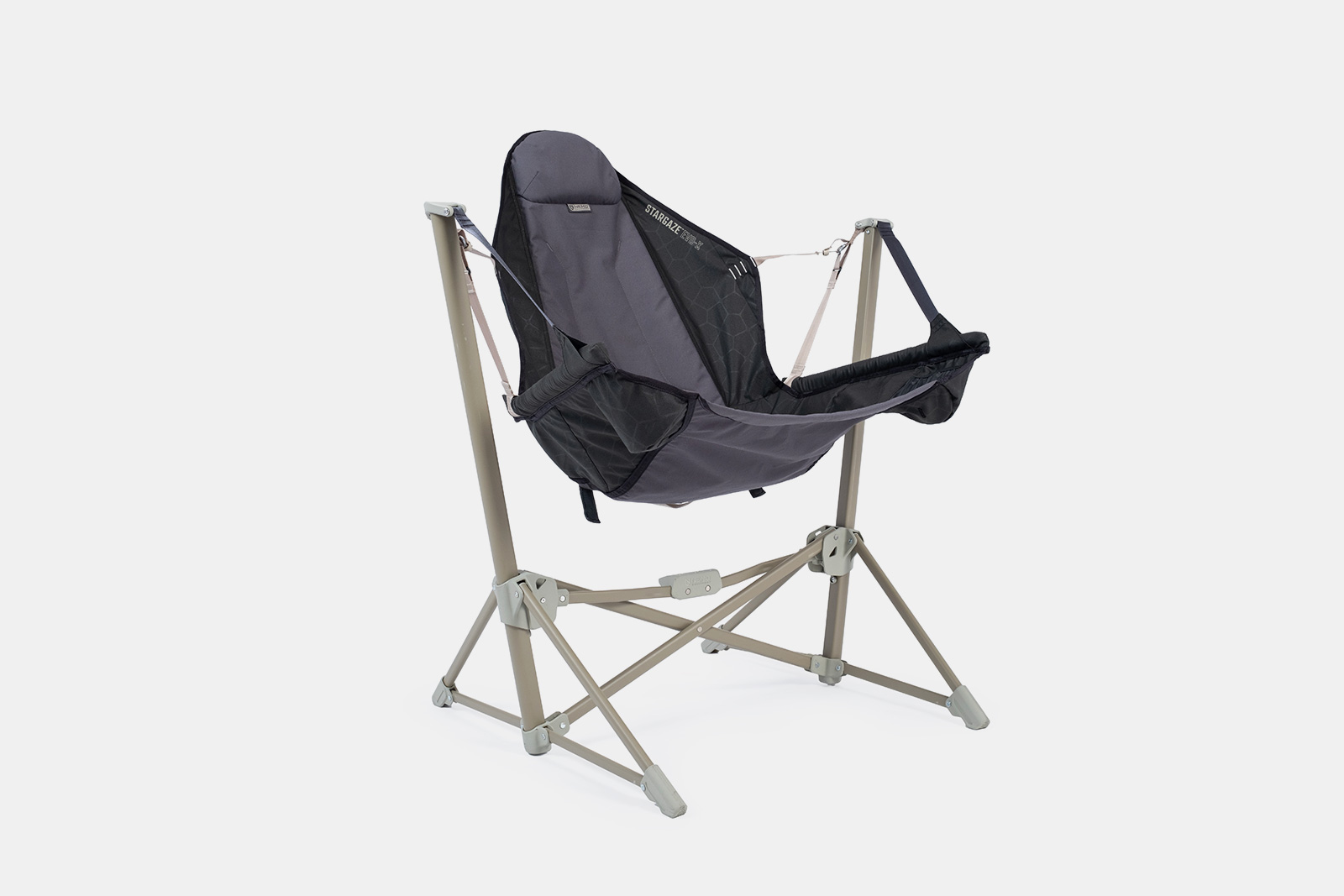
니모(NEMO Equipment)는 새로운 리클라이닝 스윙 캠프 의자와 최초의 bluesign® 인증 백패킹 텐트를 특징으로 하는 2025년 제품 라인을 공개했습니다. 편의성에 초점을 맞춘 Stargaze™ EVO-…

News
NEMO, 우크라이나 전쟁 난민 어린이를 위한 침낭 100개 기부
니모(NEMO)는 최근 우크라이나에 도움이 필요한 어린이들에게 100개의 침낭을 기부하였습니다. 비영리 단체인 Common Man for Ukraine에 니모의 고품질 침낭 100개 상당량을 기부했습니다. 이 침낭들…
News
NEMO 2024 Collection
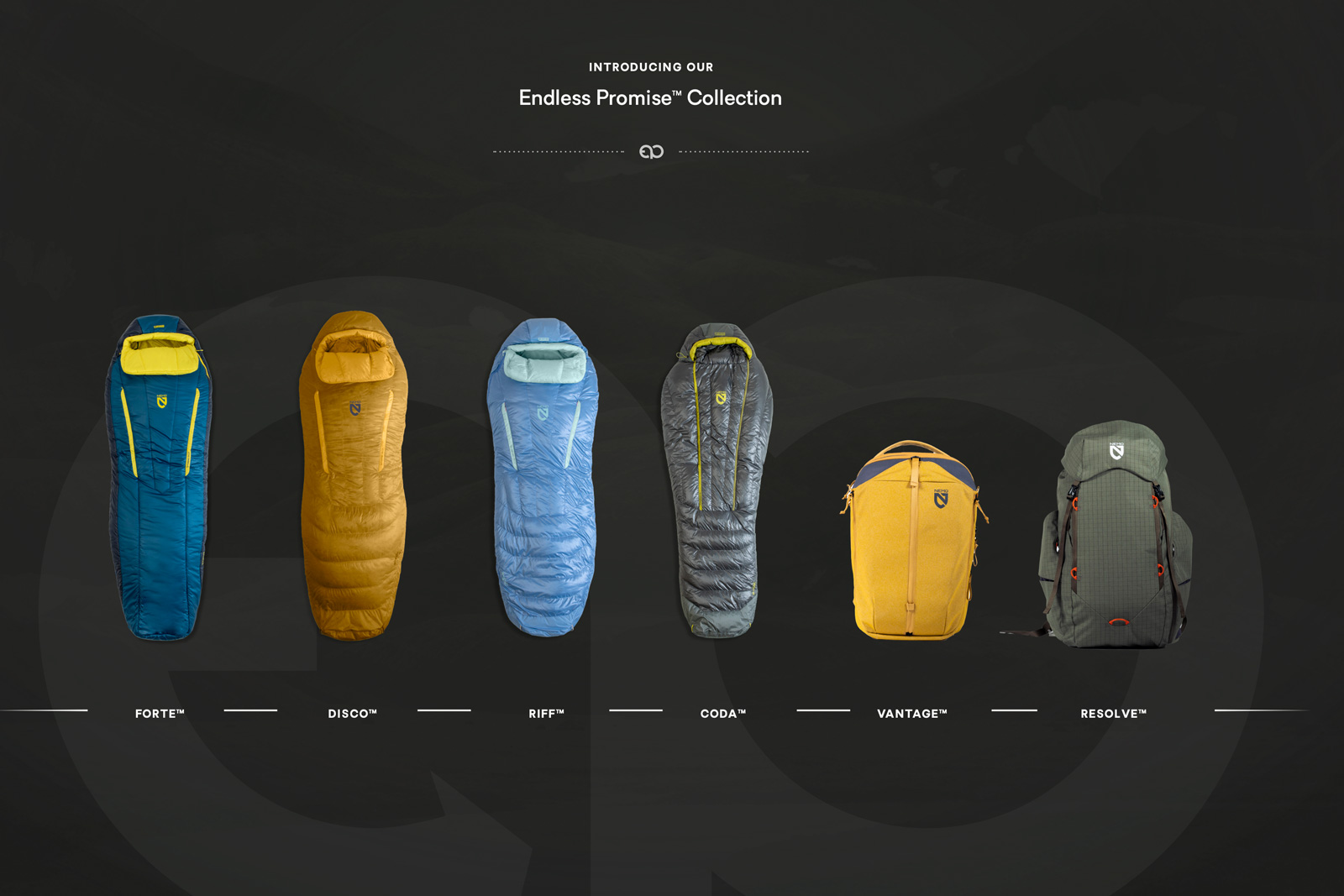
니모(NEMO)는 2024년 컬렉션에 포함되는 새로운 제품들을 발표했습니다. 최근 니모는 지속 가능성을 최전선에 두고 있으며, 2024년 역시 100% 재활용 가능한 "Endless Promise" 컬렉션을 확장하는…

Journal
야마토미치, Pertex® Quantum Air 원단의 통기성 기준 변경
Sweaters & Hoodies
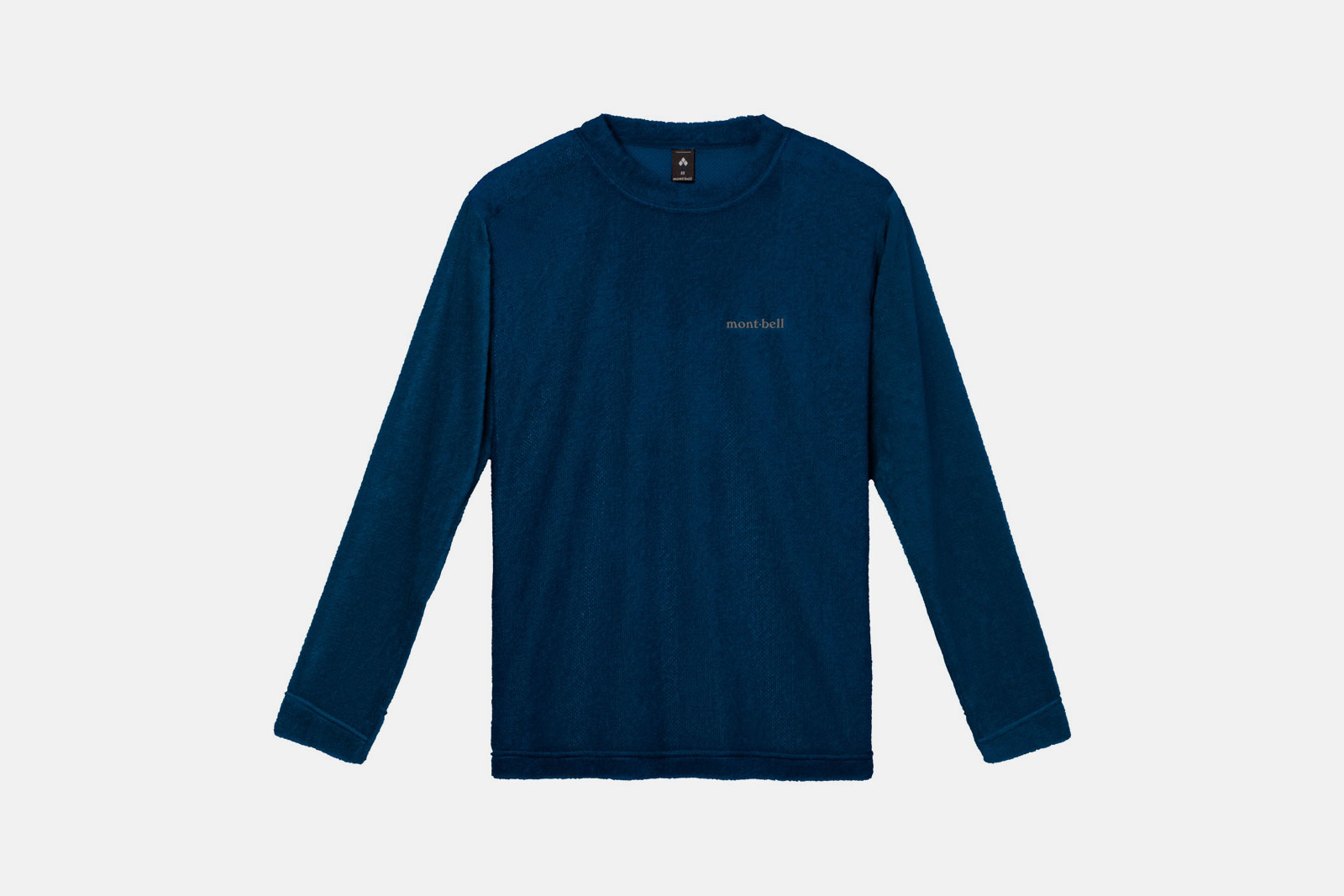
Montbell CLIMAAIR Light: A Lightweight 102g Active Fleece
Recovery
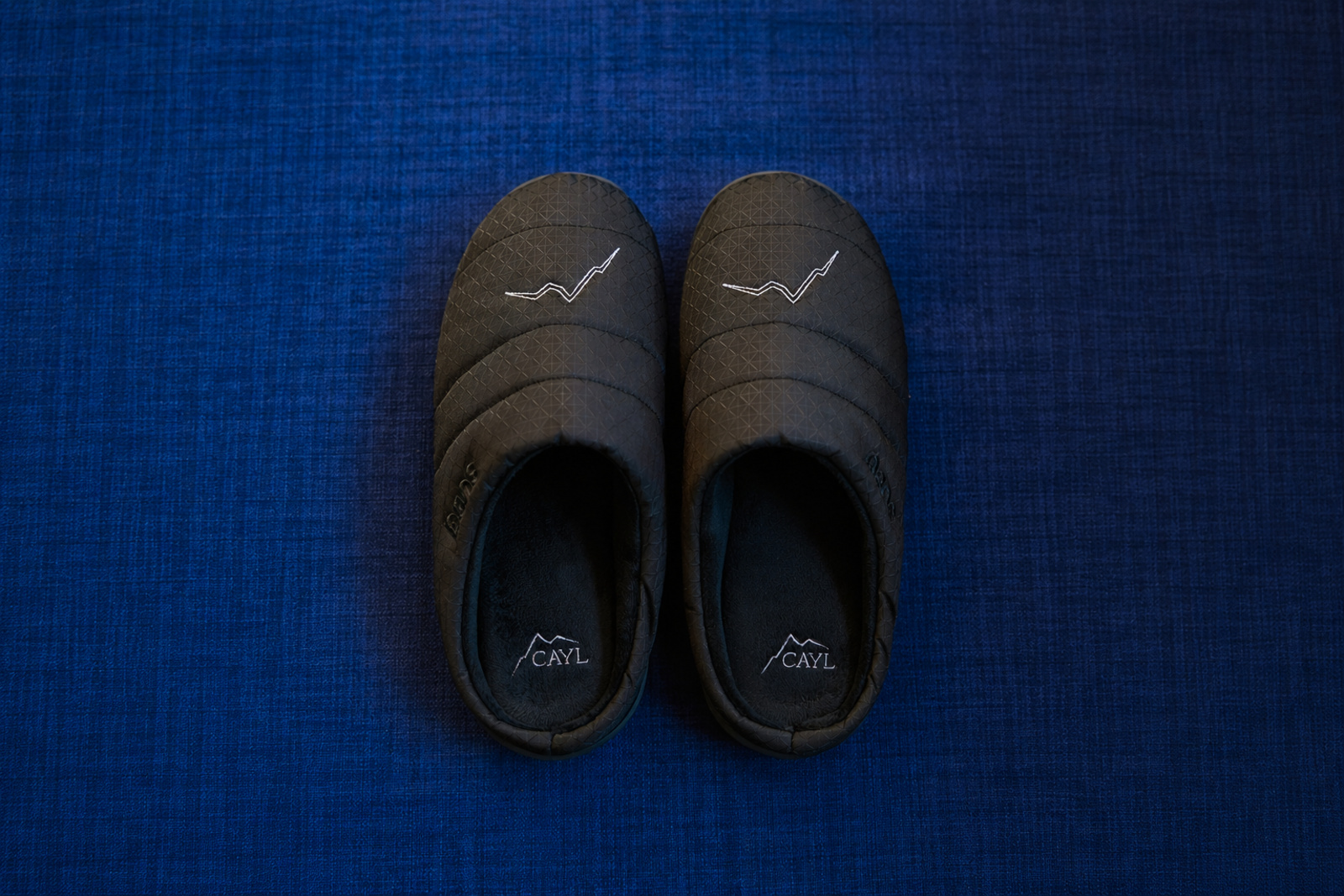
CAYL × SUBU: Collaborative Winter Sandals for Post-Hike Downtime

Movie
Lines We Choose: Fanny Schmutz, a Guide Raised by the Mountains
Pump
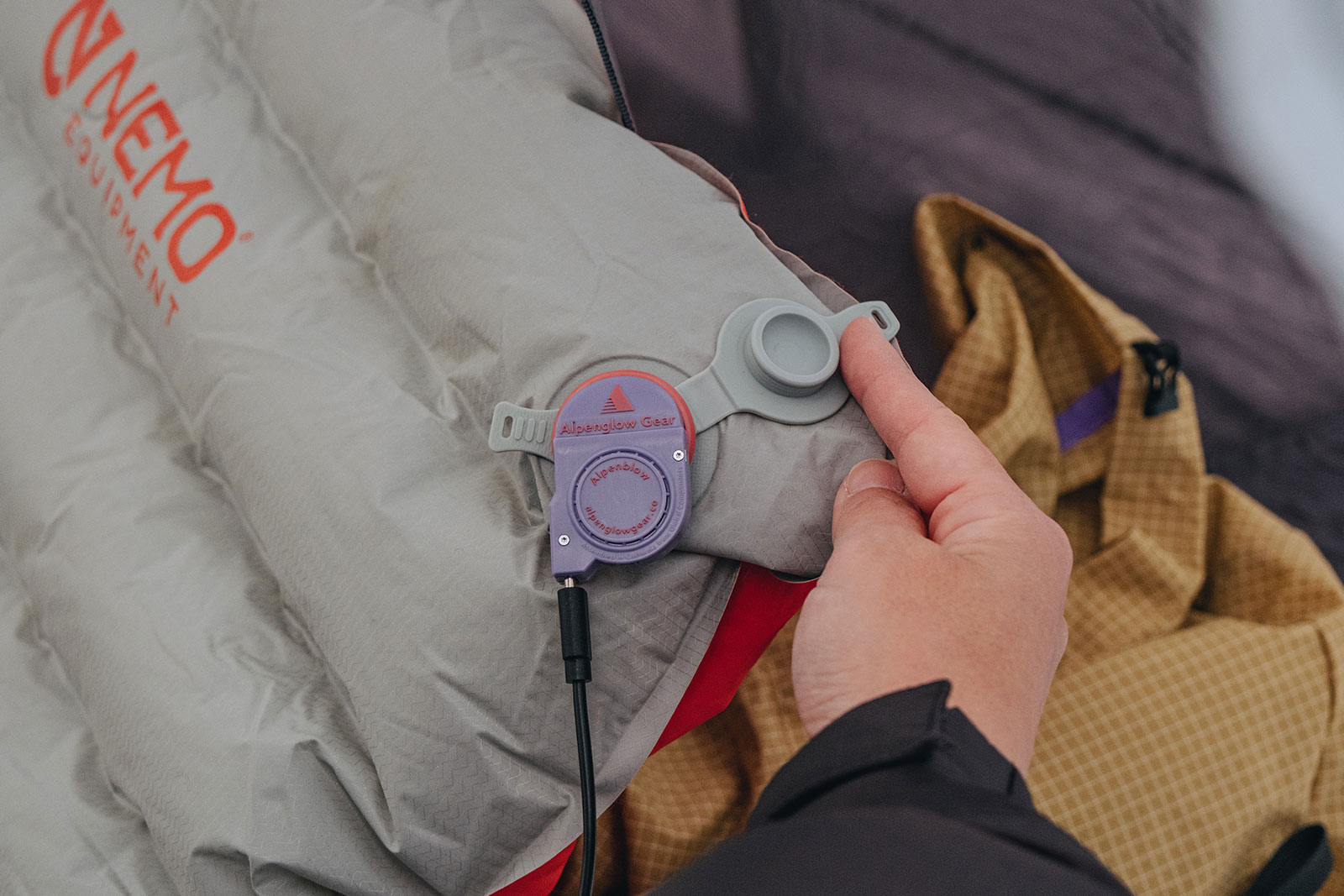
Alpenglow Gear Alpenblow Classic Micro Inflator Review
Day Packs
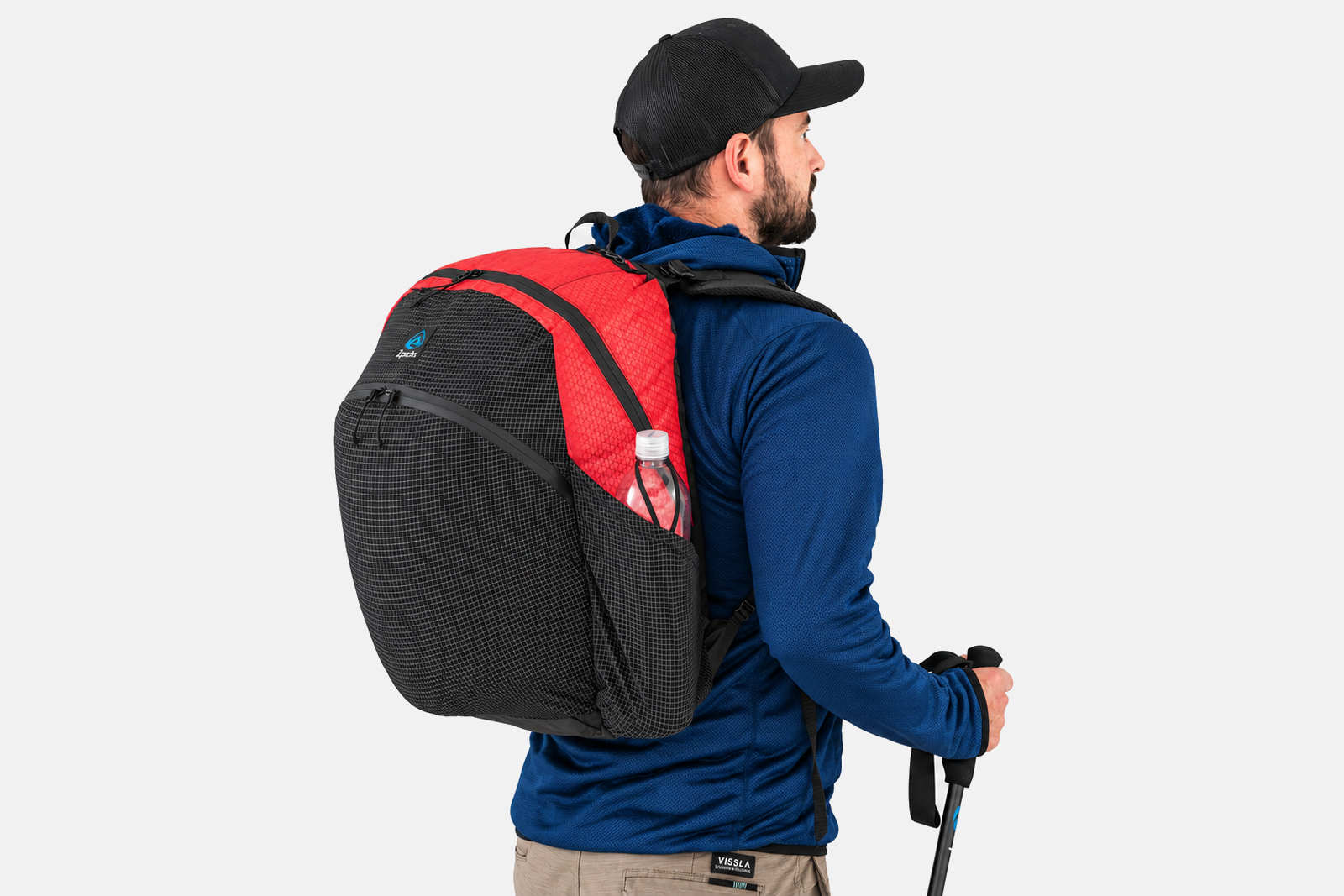
Zpacks Bagger 30L: Bridging Travel and Hiking
Backpacking Packs
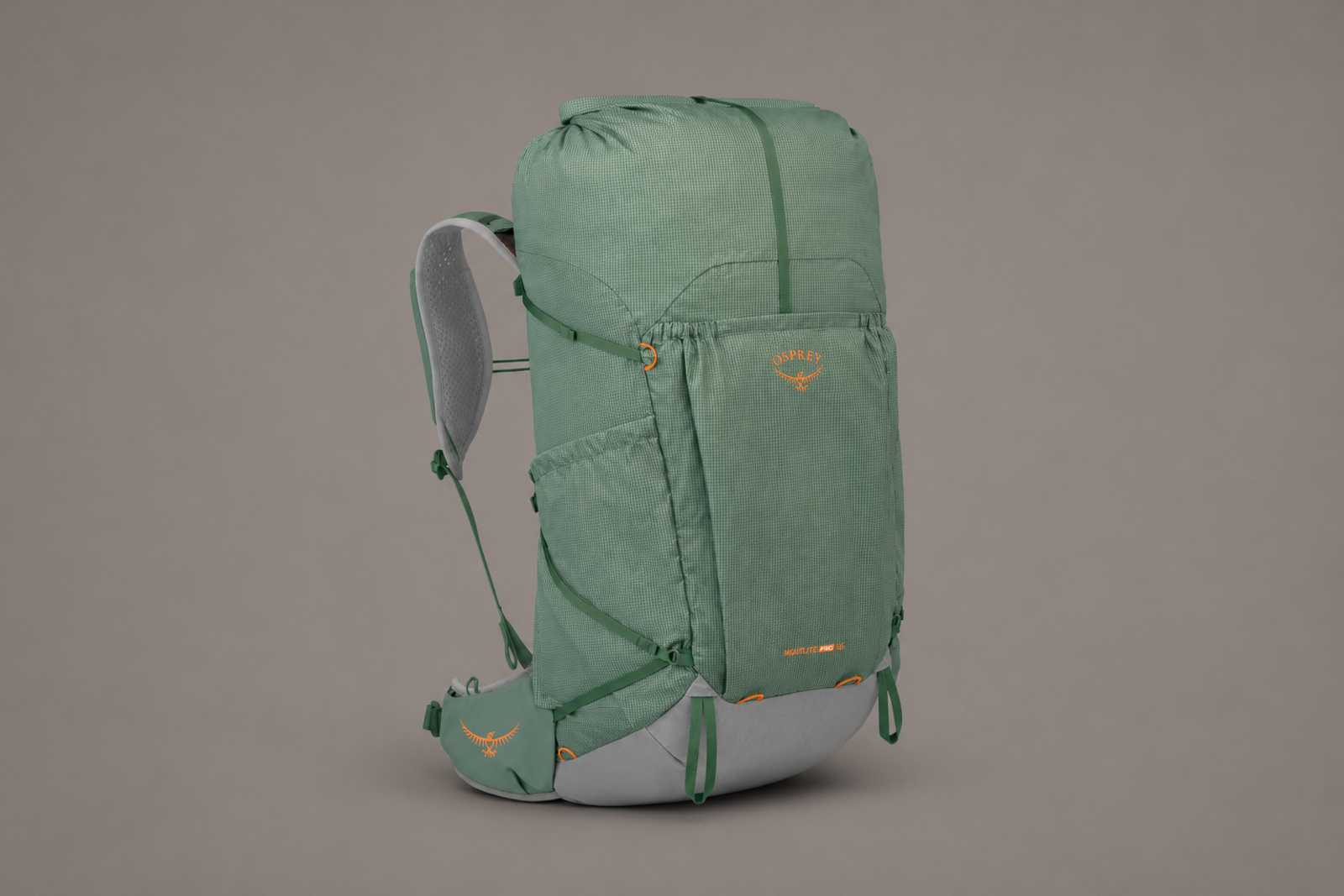
Osprey ThrULite Pro 55: A 792g Long-Distance Hiking Pack with an Adjustable Back System
Event
Happy Days 2026: Long-Distance Hikers Share Their Stories on the Dongseo Trail